Skip to content
The 21st CenturyCoin Collection Private viewing

A private collection of historical coinage

21C

The 21st Century Coin Collection

A collection of history, preserved for the future.

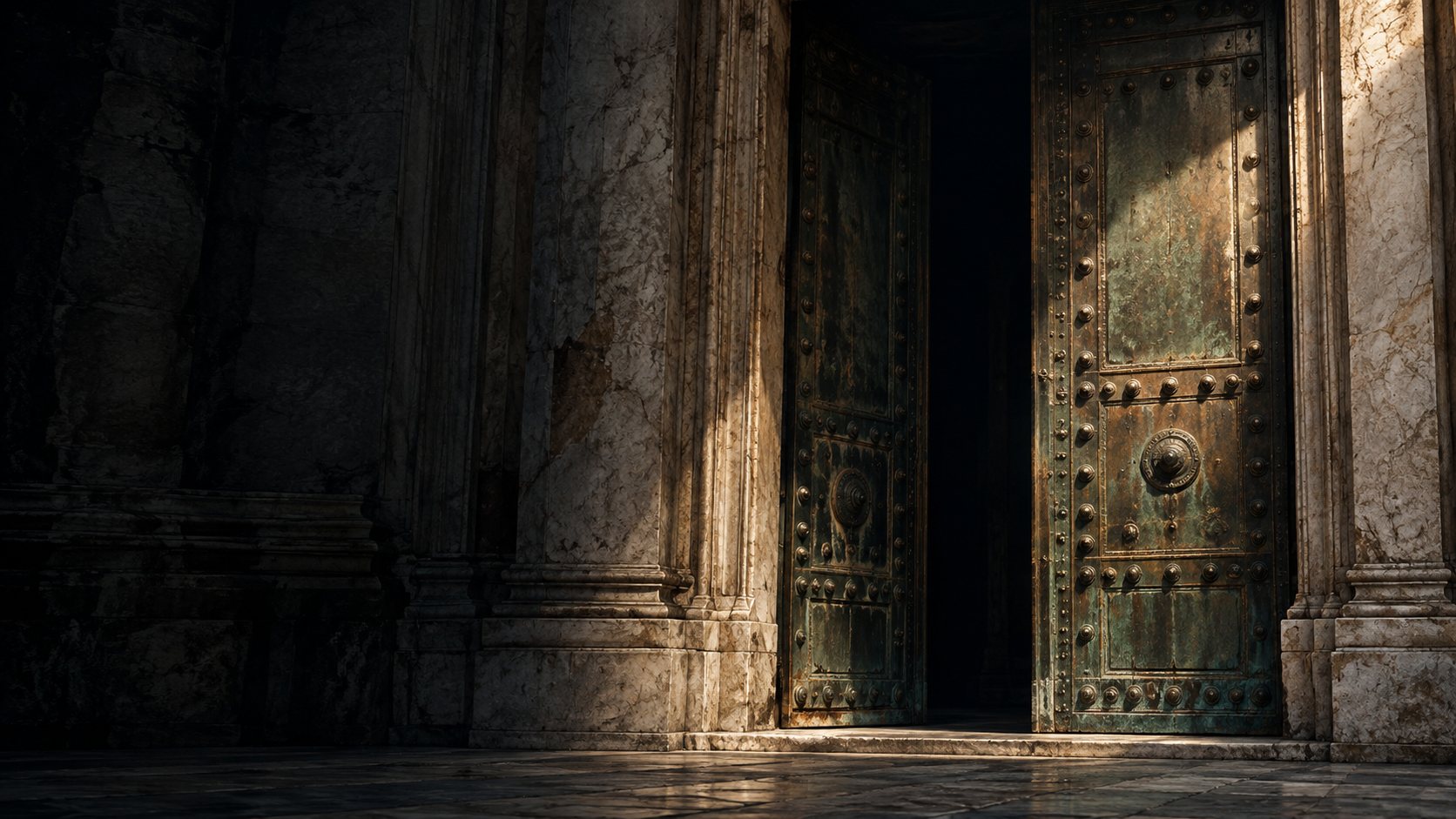
Fig. 01 · The threshold. Concept image

Scroll

02 · Meaning

History has
a currency.

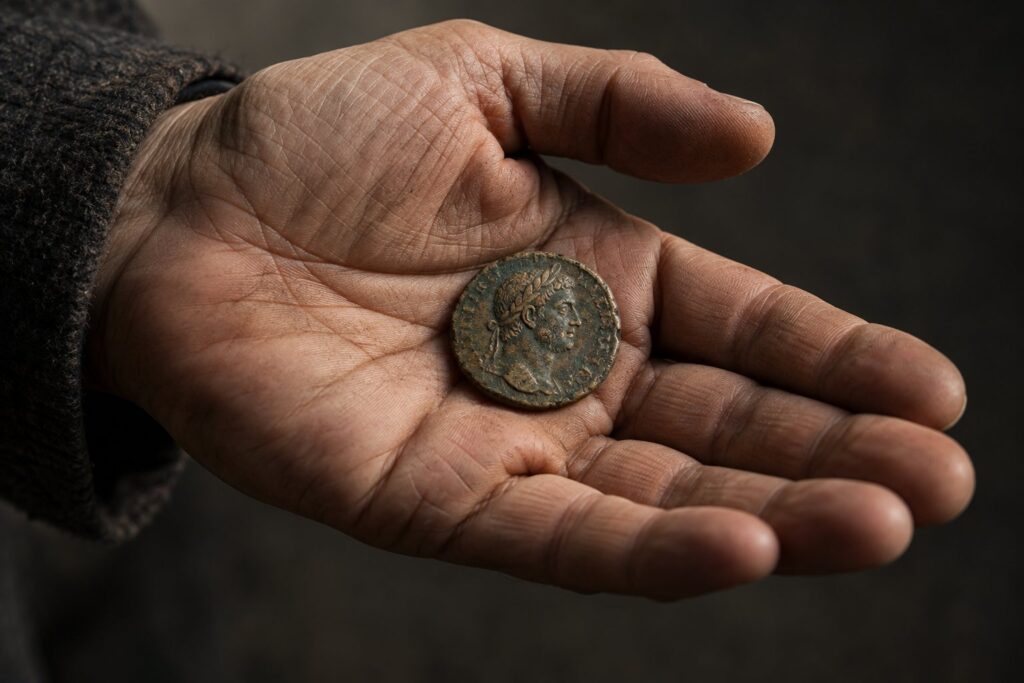
A coin is a fragment of history

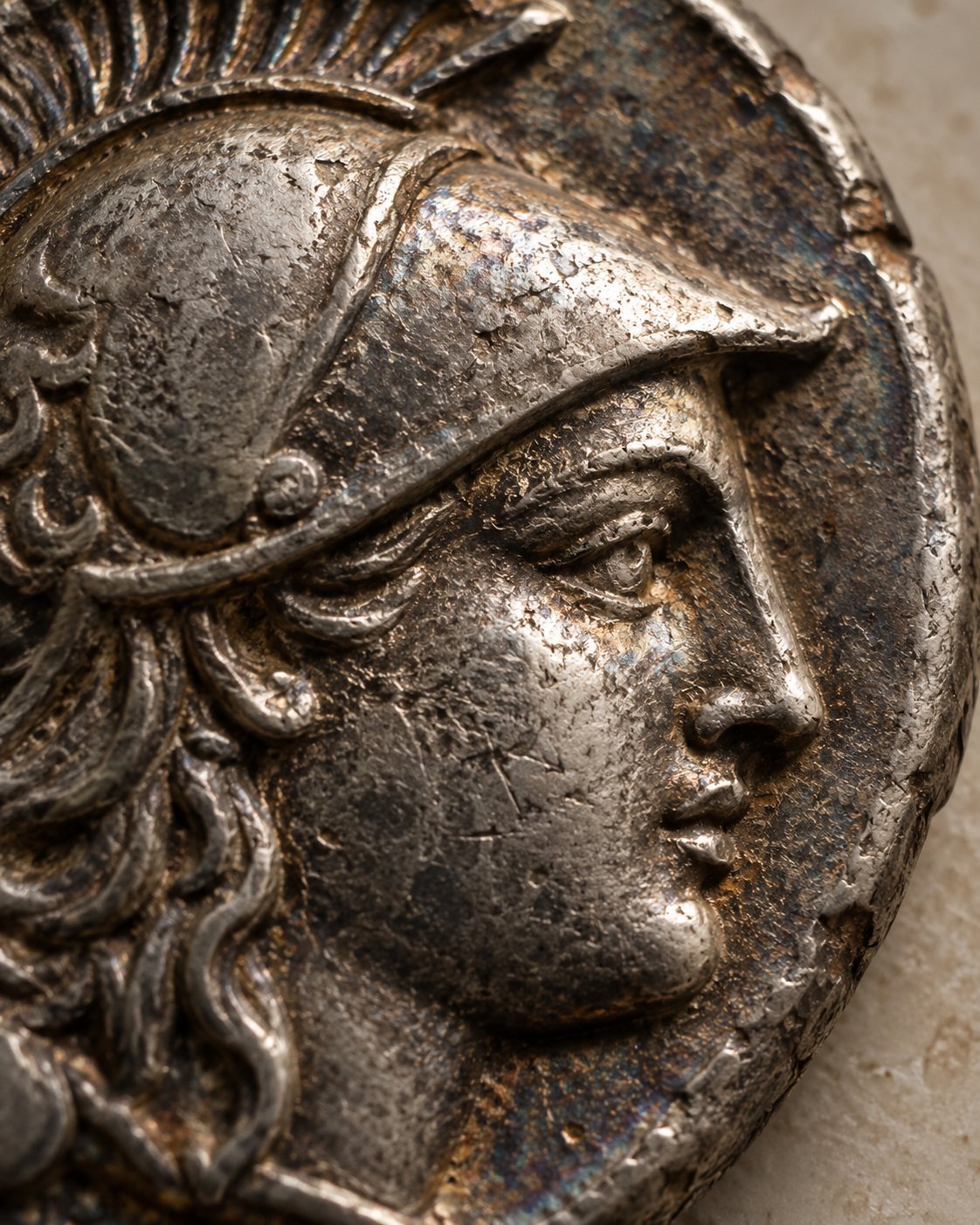
Fig. 02 · Concept image

Every coin was issued by an authority that wanted to be seen: a ruler, a city, a republic. It carried a face, a claim and a promise of value, and it travelled further than most of the people who held it. What survives is a small, dense record of who governed, what they believed and how people traded.

i.

Authority

Who had the right to strike it, and what that right meant.

ii.

Belief

The gods, virtues and victories a state chose to declare.

iii.

Movement

The roads, ports and markets a coin passed through.

03 · Time

More than twenty six centuries,
in the palm of a hand.

7th c. BCE

Lydia

Pieces of electrum are stamped with a mark of authority. The coin is born.

5th c. BCE

Athens

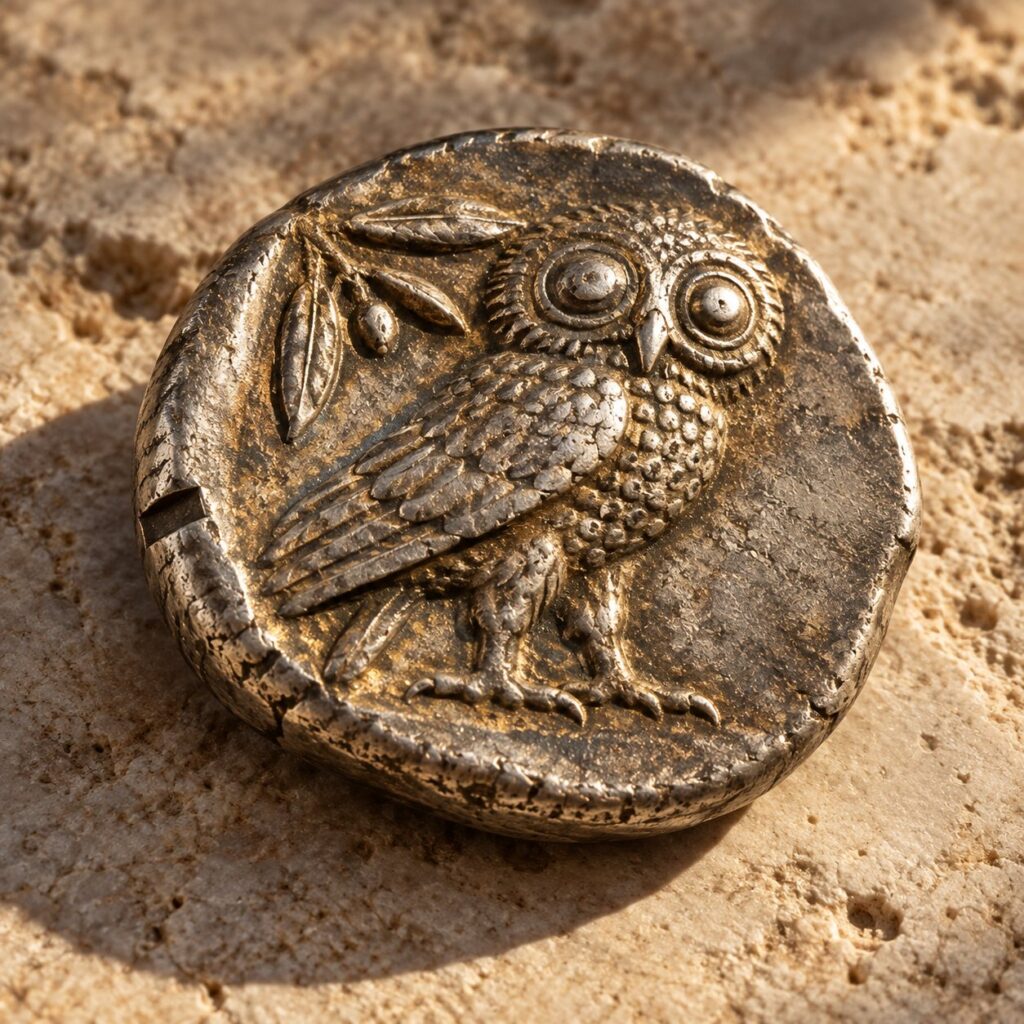
Silver owls struck from the mines of Laurion carry Athenian trade across the Aegean.

3rd c. BCE

Rome

The denarius is introduced and becomes the backbone of Roman silver coinage.

7th c. CE

Damascus

Under Abd al-Malik, the dinar sets aside images in favour of inscription.

1252

Florence

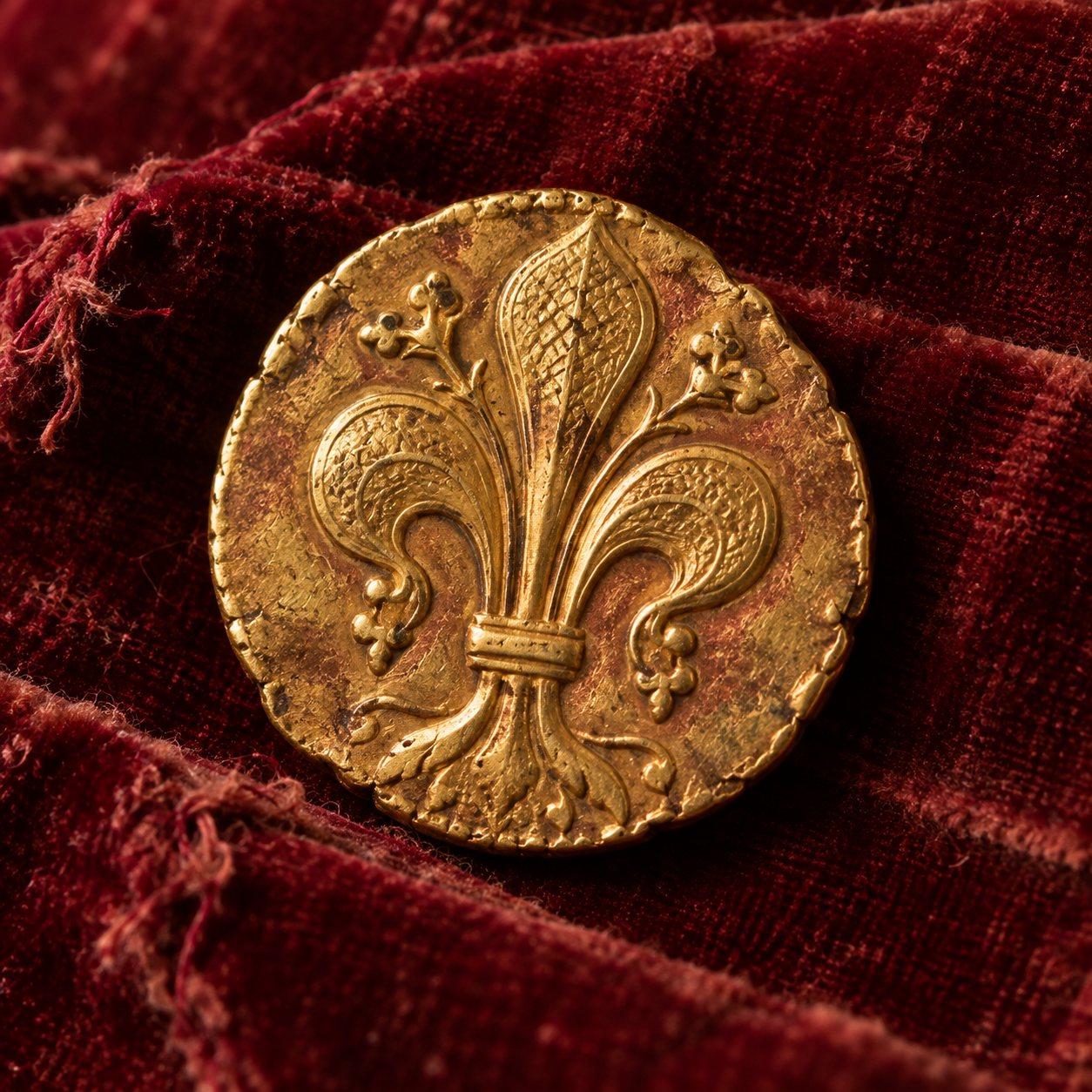
The gold florin is first struck and becomes a reference coin of European trade.

1284

Venice

The ducat follows, and its gold standard endures for five centuries.

16th c.

Spanish Empire

Silver from the Americas is struck into reales that cross the Atlantic and the Pacific.

21st c.

21C

The collection gathers these fragments and documents them for the century ahead.

Drag or swipe to travel through time

04 · Civilization

Rome.

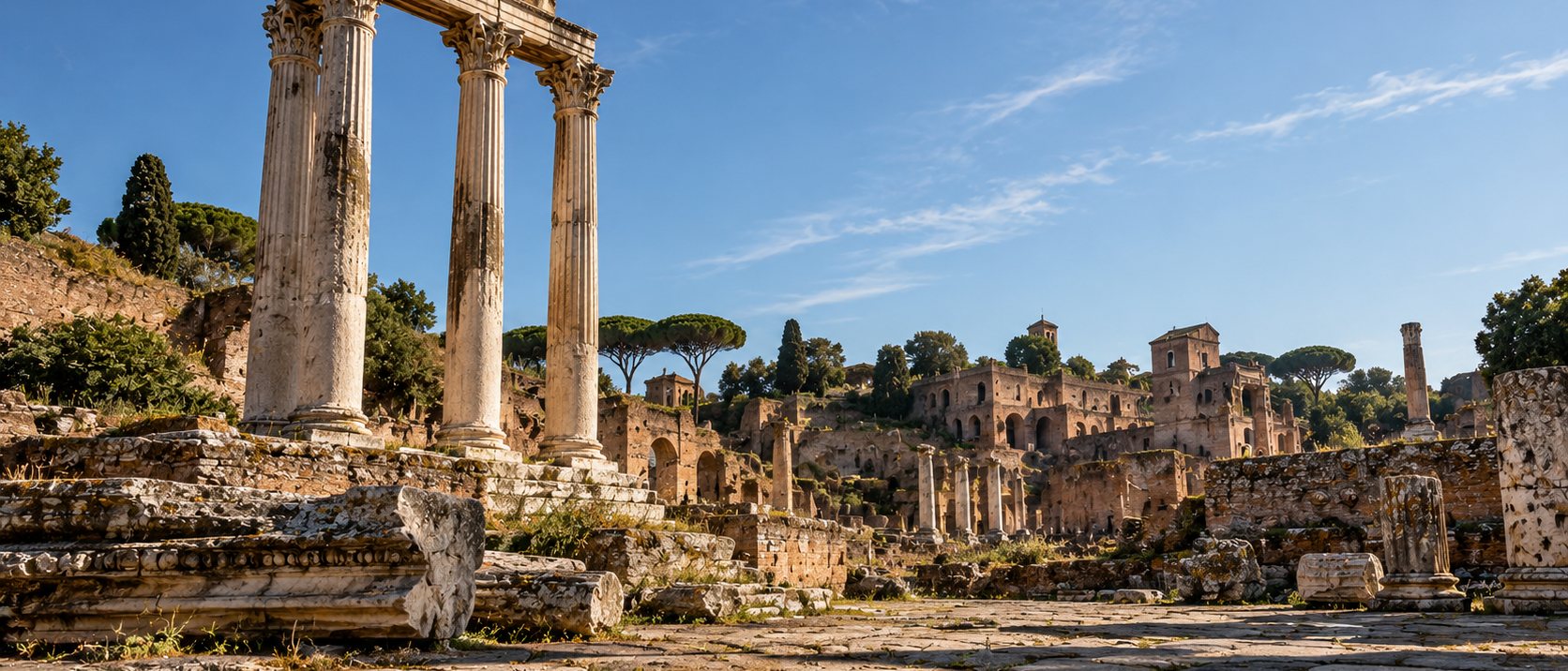
Fig. 04 · Rome

An empire you could
hold in one hand.

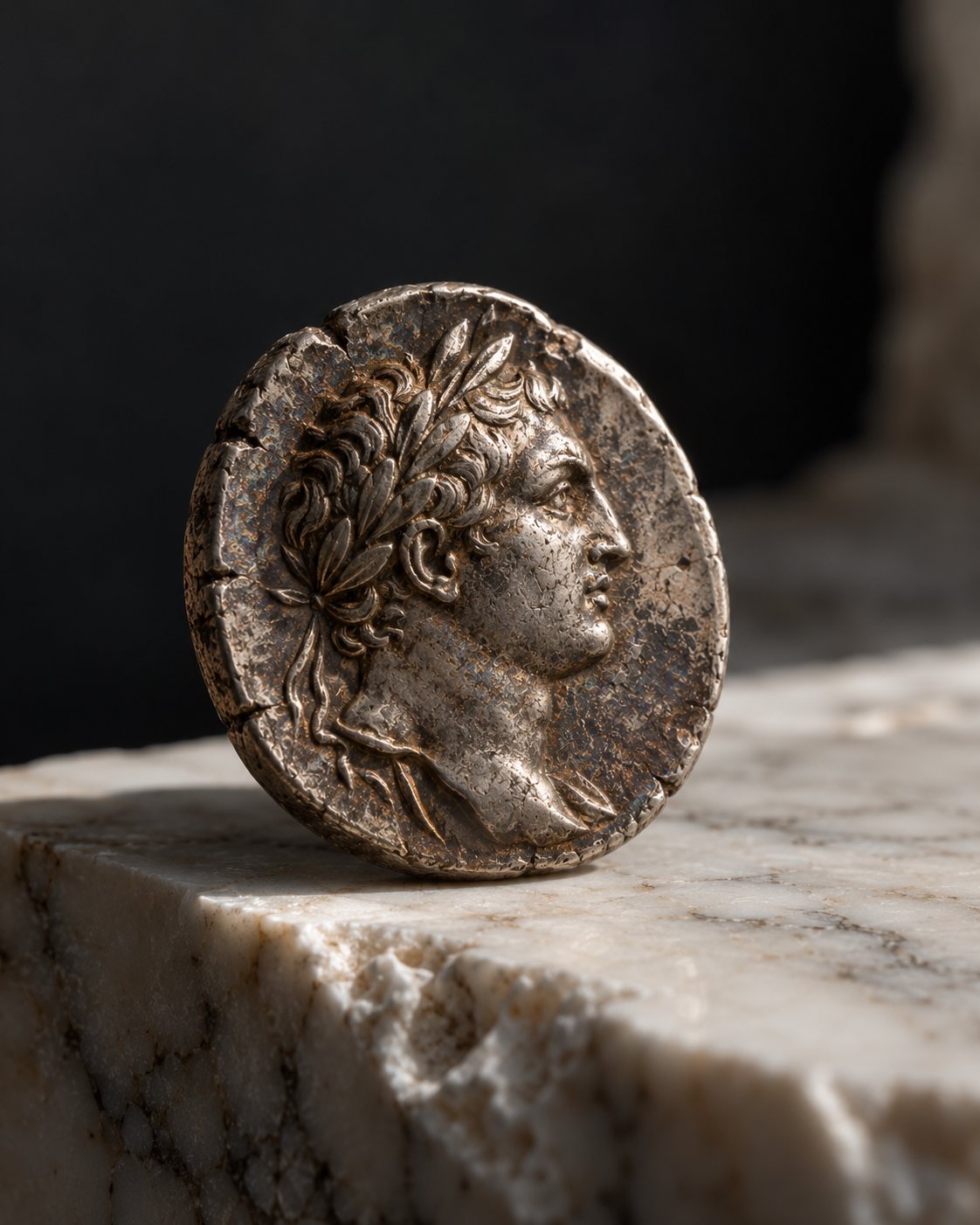
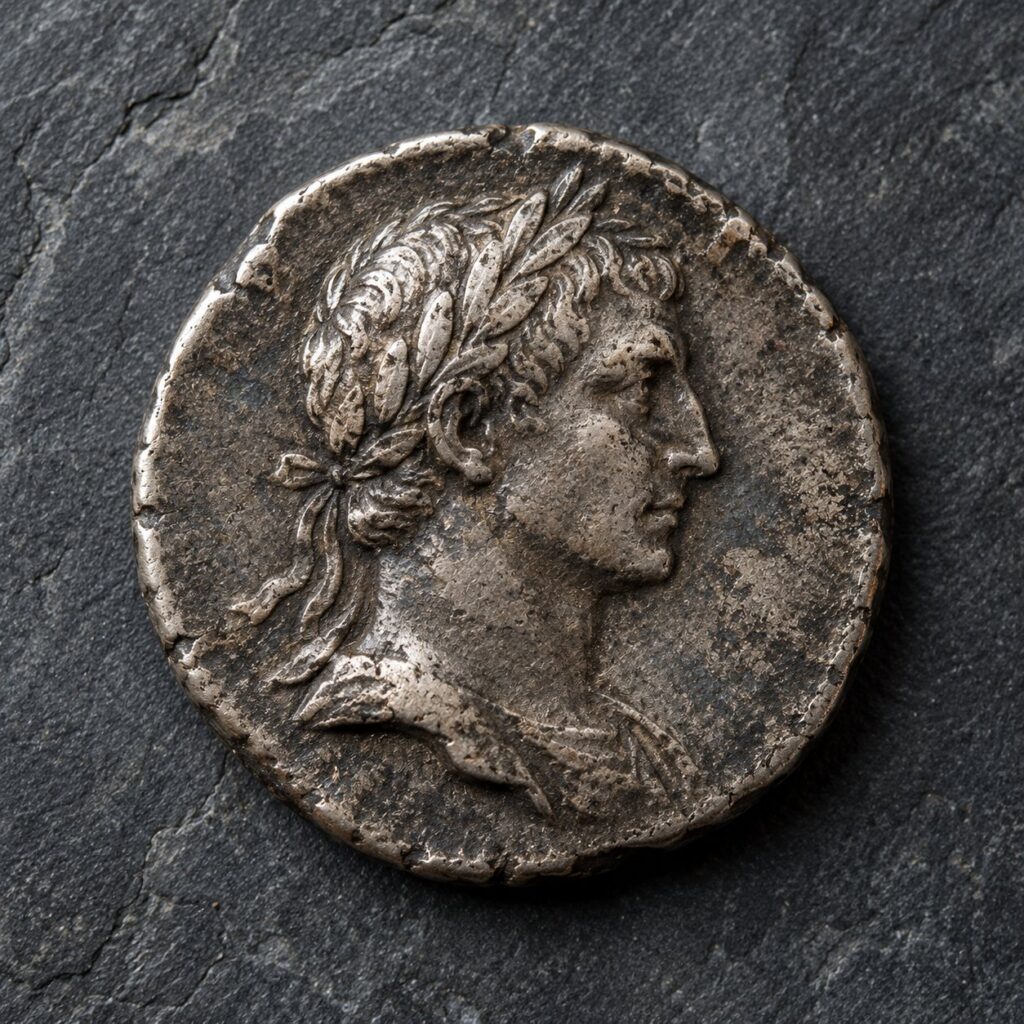
Fig. 04b · Concept image. Not an artifact from the collection

Roman coinage was a public medium. New rulers put their portraits into circulation quickly, and reverse designs announced victories, virtues and building projects to people across the provinces who might never see Rome itself.

Denominations
Aureus, denarius, sestertius, as
Metals
Gold, silver, orichalcum, copper
Periods
Republic and Empire

05 · Journey

Carried
by sea.

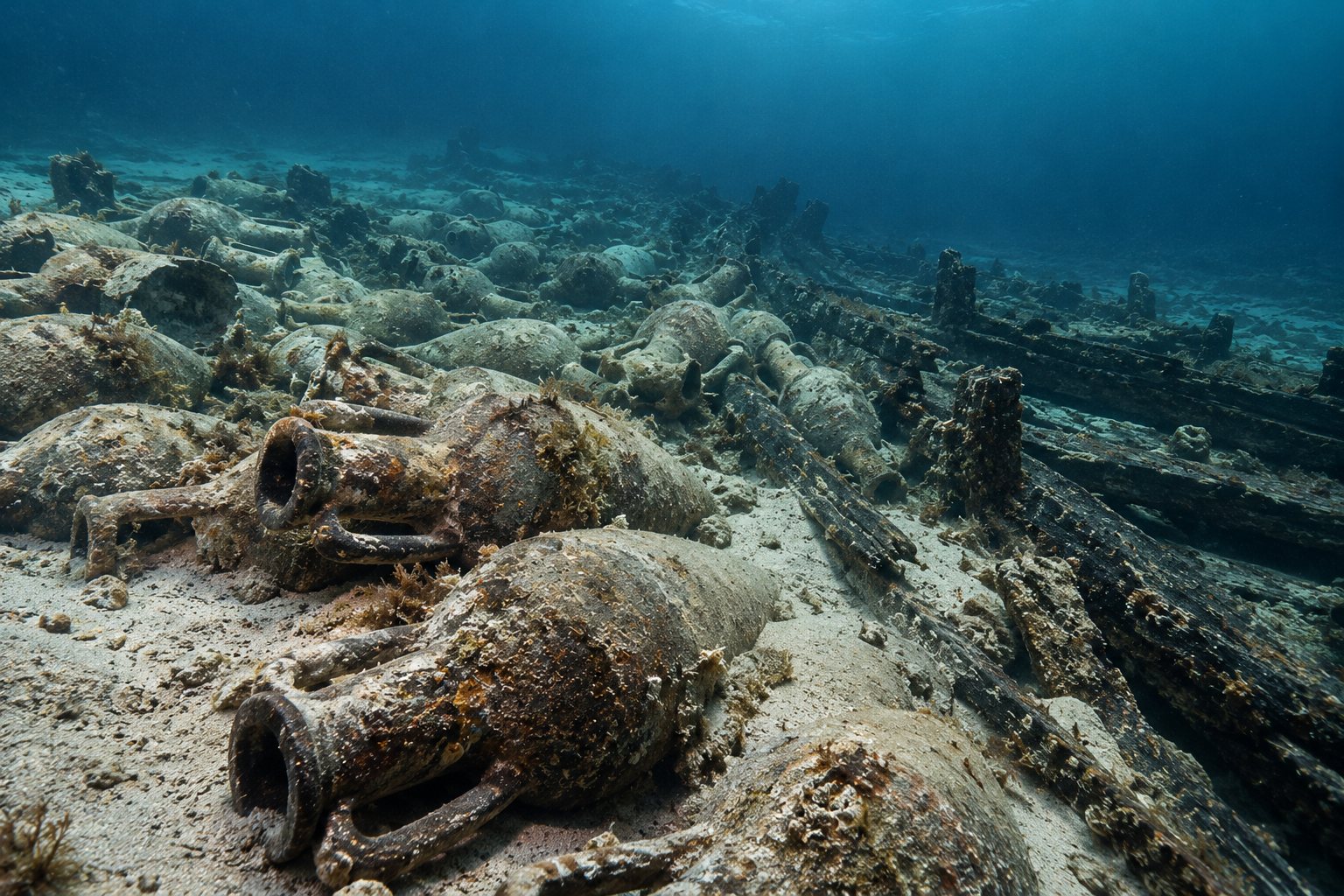
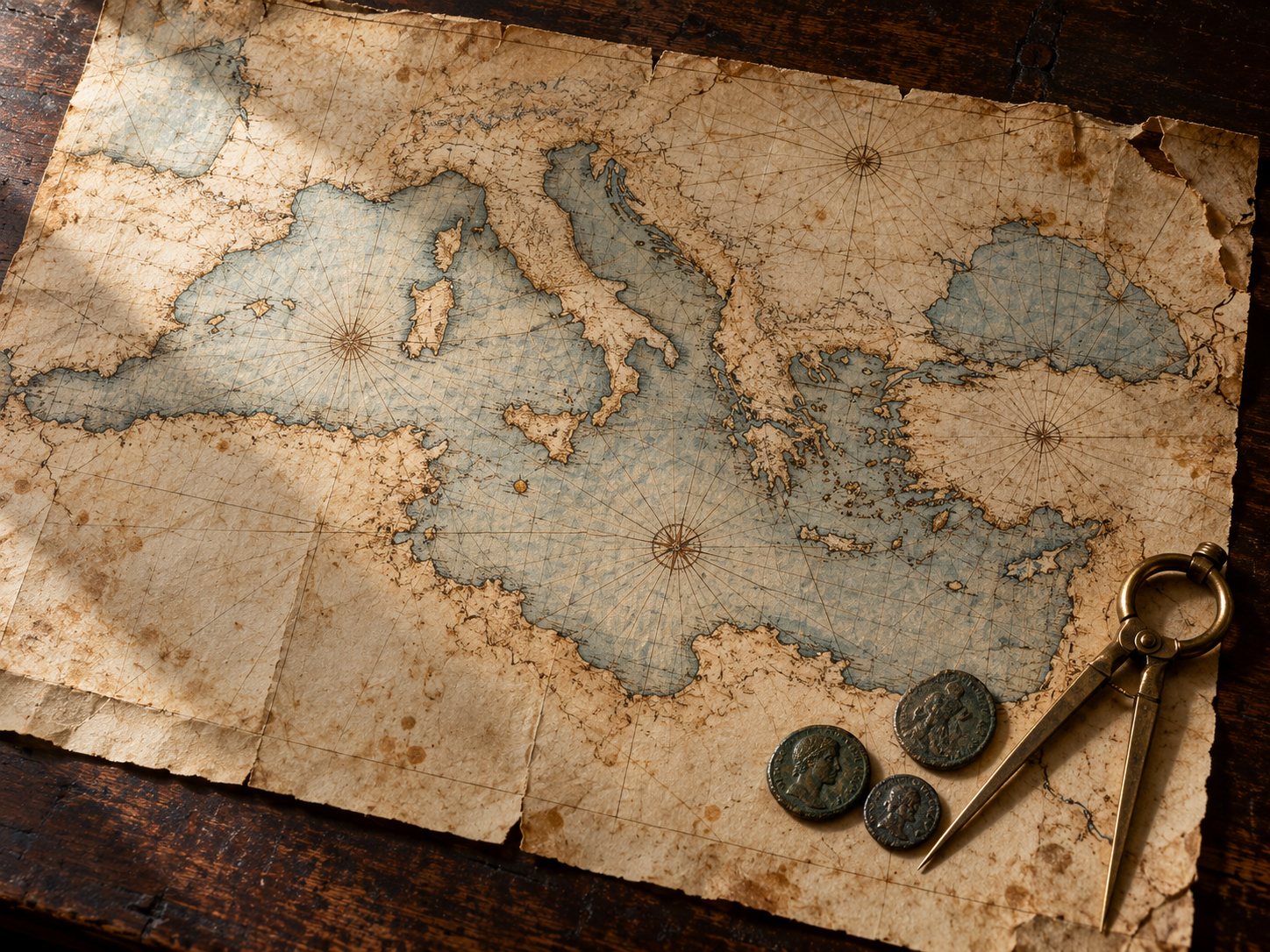
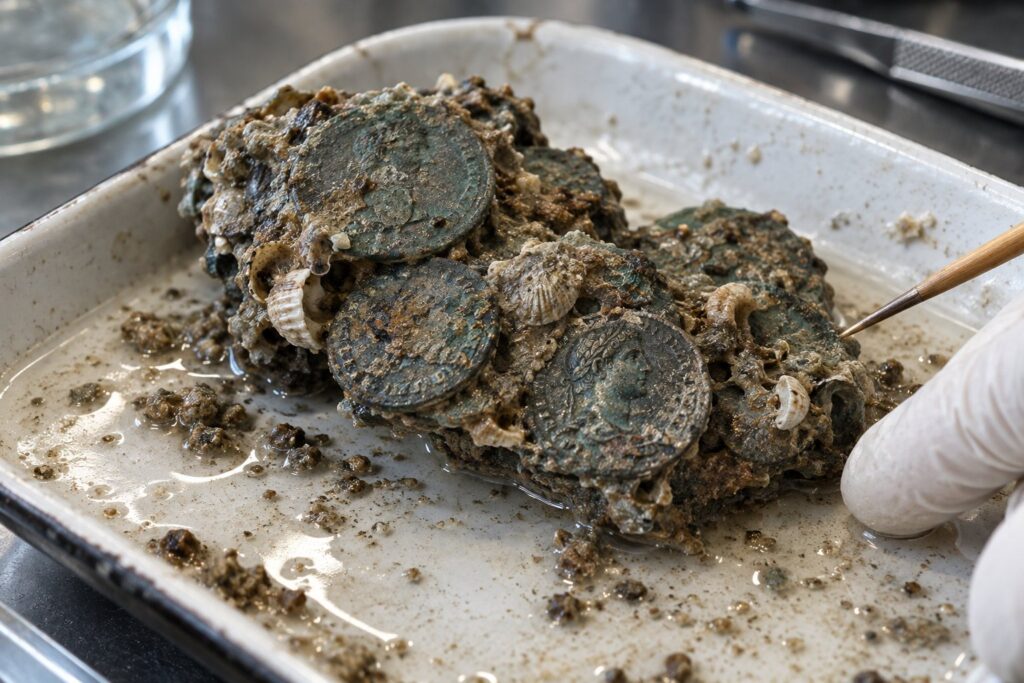
Coins moved with grain, wine and oil along the routes of the Mediterranean. Some cargoes never arrived. For archaeologists, a wreck is a sealed moment, and the coins aboard help to date it: a ship cannot have sunk before the latest coin it carried was struck.

Some journeys ended on the seabed. Their record did not.

Fig. 05 · Concept image of a Roman merchant wreck

Fig. 06 · Routes of trade

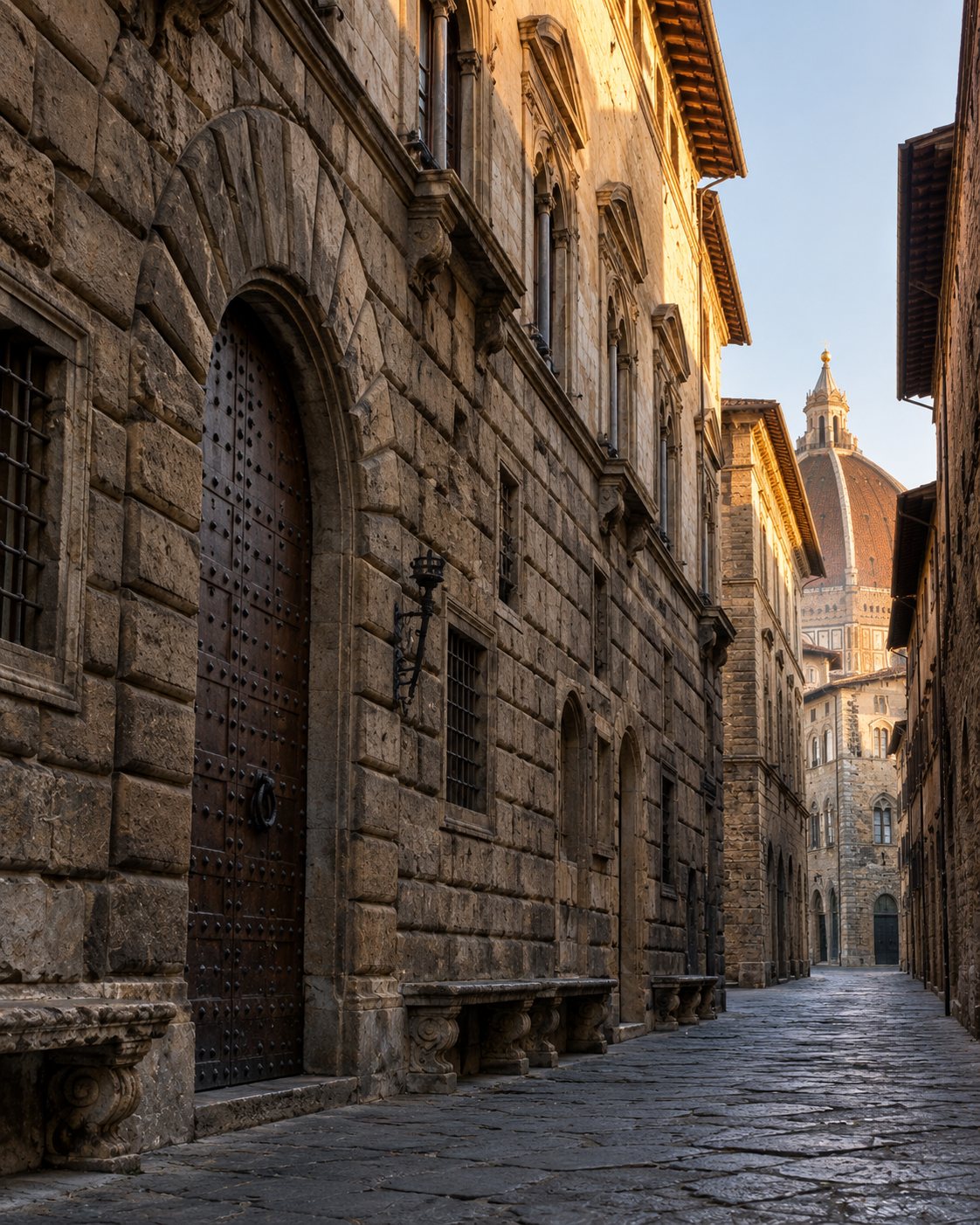
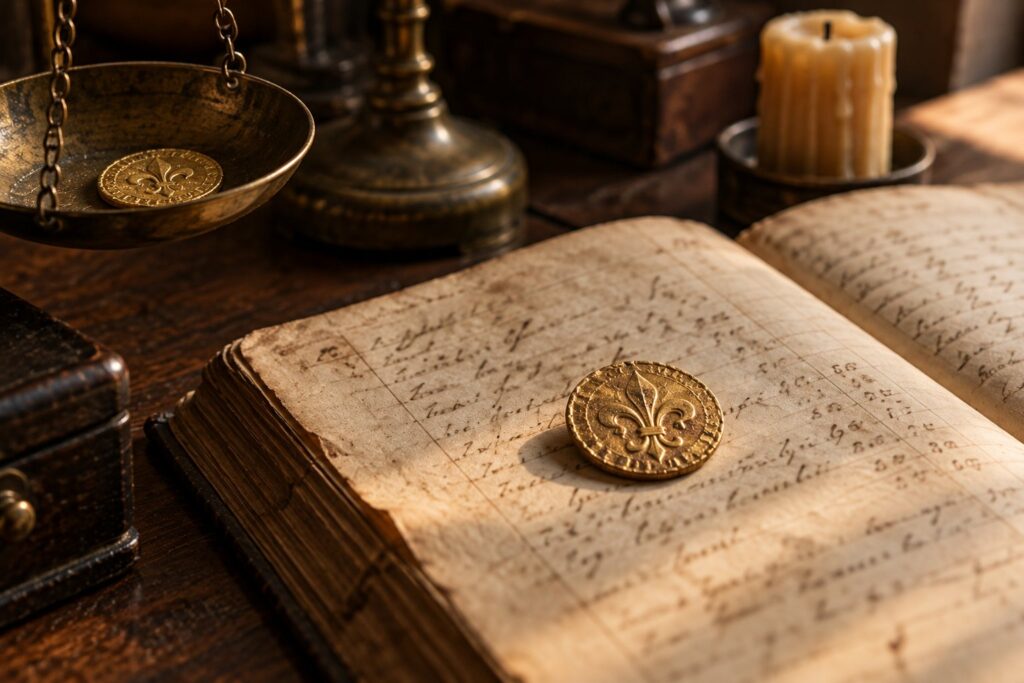
Fig. 07 · Florence. Inset: concept image of a gold coin

06 · Culture

The Renaissance,
struck in gold.

In Florence and Venice, a coin was a question of reputation. The florin and the ducat were trusted for the consistency of their gold, and merchant and banking networks carried them far beyond Italy.

Florence

Florin

1252

Venice

Ducat

1284

07 · The Collection

From the collection.

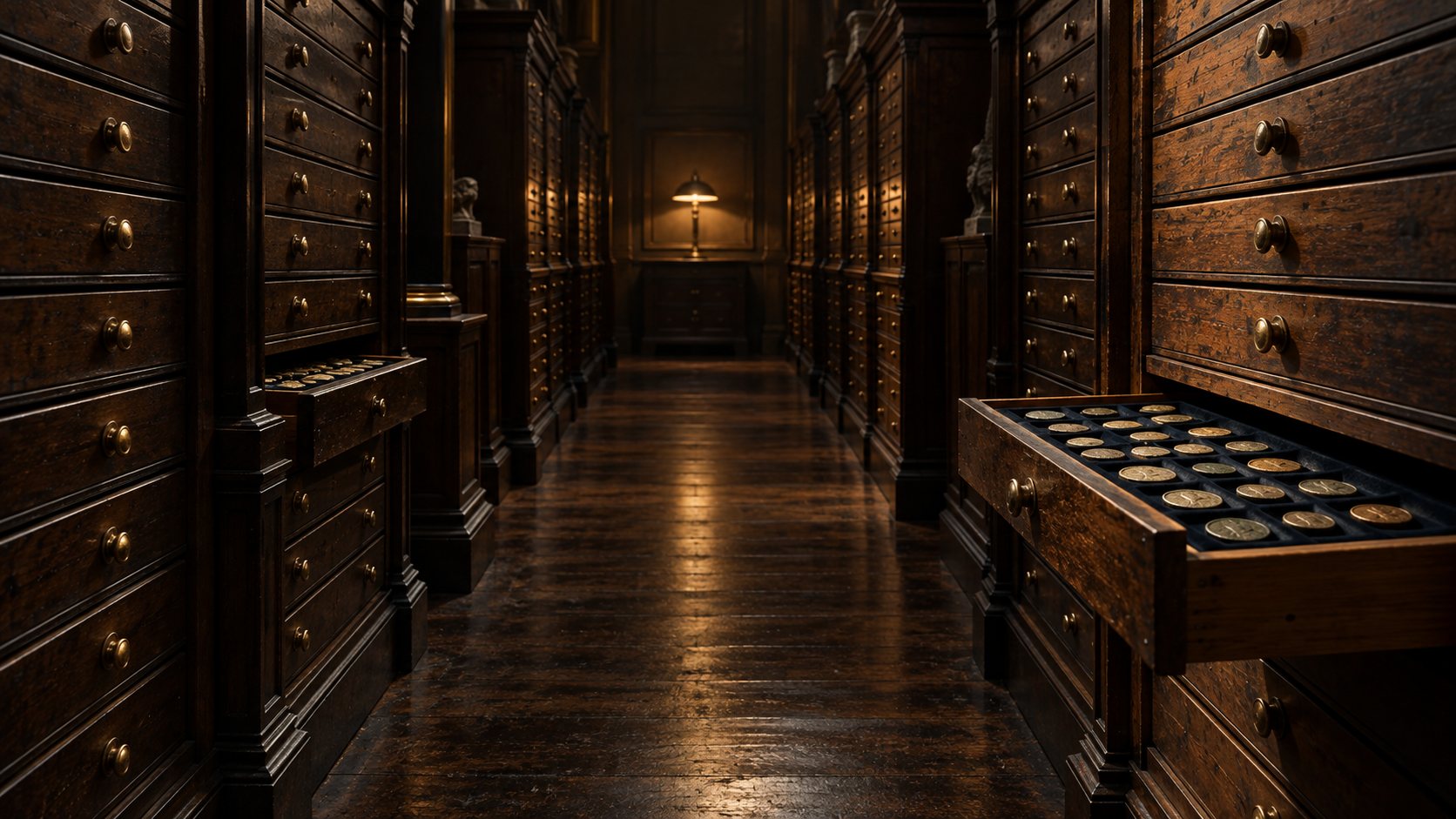
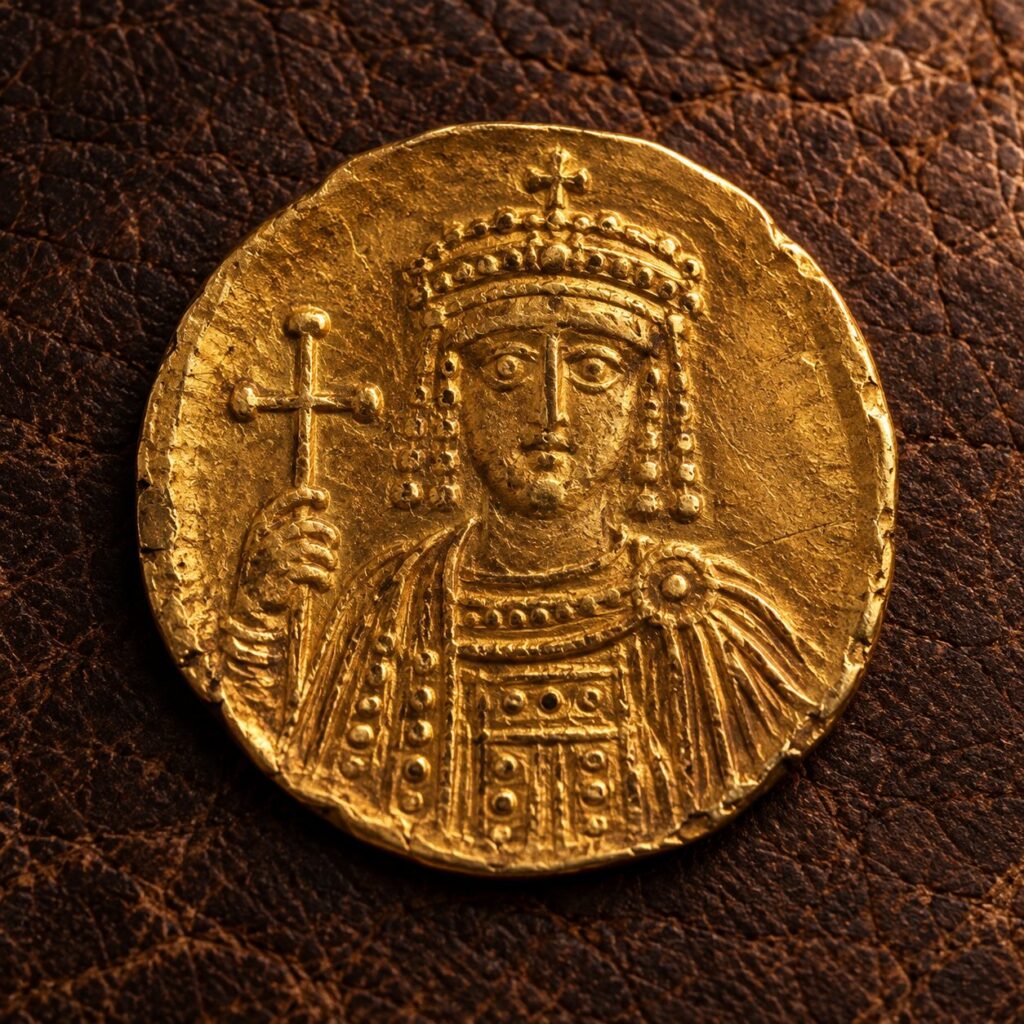
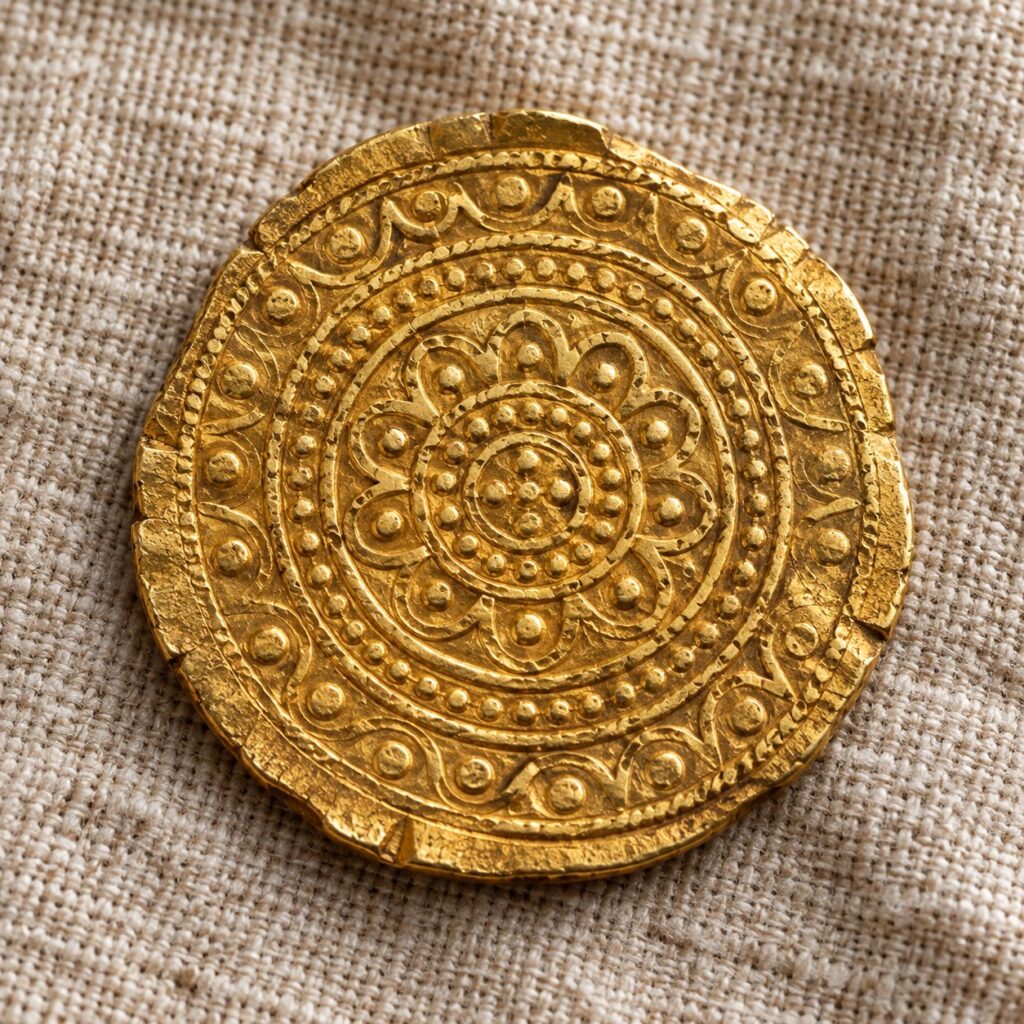
Every record is catalogued by civilization, region and era. Documentation and original photography are added as each piece is recorded.

Placeholder records hold the place of pieces still being documented.

09 · Future

From history
into the future.

21C is being built as a living archive. Every piece is to be documented, photographed and set in its historical context, so the collection can be studied as well as admired.